What is a Chemical Peel? Benefits, Costs, and Skin Results in 2025
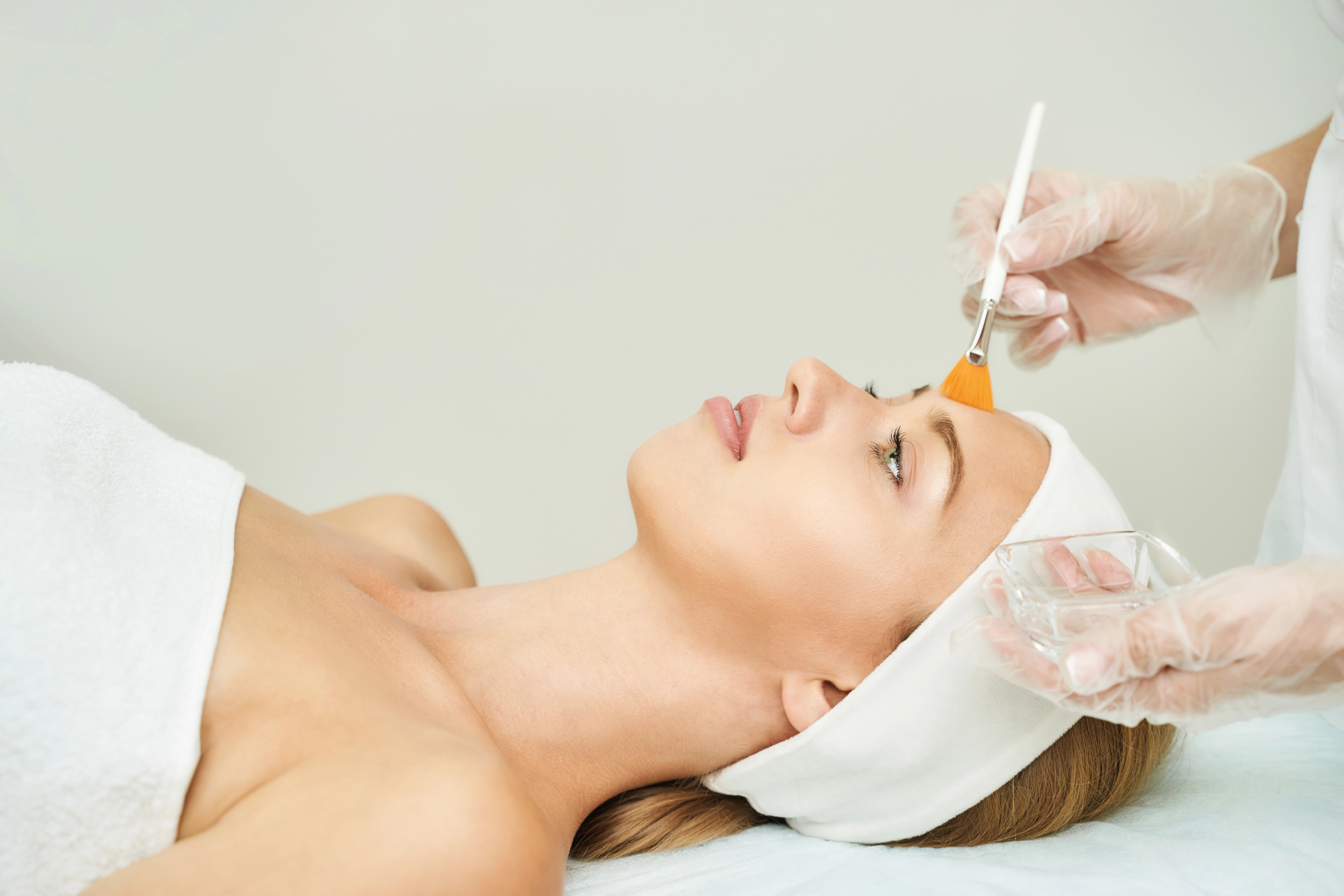
Chemical peels have been a cornerstone of clinical skincare for decades, and they remain one of the most effective tools available for improving skin tone, texture, and clarity. By applying a carefully formulated acid solution to the skin, peels accelerate cell turnover and trigger the skin's natural renewal process, revealing fresher, more even-toned skin underneath.
This guide covers what you need to know about chemical peels in 2025: how they work, the different types available, who they are and aren't suited for, what recovery actually looks like, and how they compare to other treatment options.
What Exactly is a Chemical Peel?
A chemical peel is a skin-resurfacing procedure that uses an acid solution to remove damaged or dull outer skin layers. The process triggers controlled exfoliation, encouraging new cell turnover and collagen production in the dermis beneath.
By dissolving the bonds between dead cells on the skin's surface, chemical peels can reduce the appearance of fine lines and wrinkles, smooth uneven texture, fade acne scars, and correct discoloration. Once the outer layer sheds, the underlying skin looks more radiant and feels softer.
There are three primary categories based on depth of penetration: superficial, medium, and deep peels. Each targets different concerns and requires different downtime and aftercare.
Chemical Peel Trends in 2025
Chemical peels consistently rank among the top five minimally invasive cosmetic procedures performed each year in the United States, according to the American Society of Plastic Surgeons. In 2025, newer peel formulations have made treatments more customizable than ever, with protocols tailored to specific skin tones, sensitivities, and goals including pigmentation correction, acne management, anti-aging, and hydration.
Hybrid peels combining multiple acids like glycolic, lactic, and TCA are increasingly popular for delivering noticeable results with manageable downtime. There has also been a broader shift toward maintenance peels as part of ongoing skin health plans rather than one-time corrective treatments. Patients are treating peels less like a procedure and more like a protocol.
The Main Benefits of a Chemical Peel
Chemical peels are one of the most versatile treatment options in aesthetic medicine because the formulation and depth can be matched to a wide range of concerns.
Improves Skin Tone and Texture
Uneven texture and blotchy tone often result from accumulated dead skin cells, sun exposure, and the natural aging process. A chemical peel clears these outer layers and promotes a more refined surface. Most patients notice softer skin and a more even complexion after a single session, with continued improvement over repeated treatments.
Reduces Fine Lines, Wrinkles, and Sun Damage
Medium and deep peels penetrate beyond the surface to stimulate collagen and elastin production, reducing visible lines and addressing sun-related damage. The skin's natural firmness gradually improves, producing a more youthful appearance without surgery.
Treats Acne and Minimizes Acne Scars
Peels containing salicylic acid or glycolic acid are particularly effective for acne-prone skin. They unclog pores, reduce oil production, and help manage breakouts. Over time, they also soften post-acne scarring and hyperpigmentation. For patients dealing with both active acne and texture concerns, peels can be a central part of a long-term skin management plan.
Promotes Brighter, Clearer Skin
Removing dull, damaged surface cells reveals fresher layers beneath, brightening the overall complexion in a way that topical skincare alone rarely achieves. Regular maintenance peels can sustain this clarity, particularly when combined with daily sun protection and medical-grade skincare.
Customizable for Different Skin Types and Concerns
One of the practical strengths of chemical peels is how adaptable they are. Treatments can be tailored to match skin type, tone, and specific goals, from light exfoliation for sensitive skin to deeper resurfacing for more advanced correction. Modern formulations allow providers to target pigmentation, dryness, or texture while managing downtime appropriately for the individual patient.
Who Should Get a Chemical Peel?
Chemical peels work well for a wide range of patients looking to refresh their skin's appearance. They are especially useful for those targeting anti-aging concerns, acne scarring, or general improvements in tone and texture. That said, not every patient is a candidate, and certain conditions or medications may require a different approach.
Good candidates generally include people with:
Healthy, non-inflamed skin
Concerns such as fine lines, hyperpigmentation, mild scarring, or sun damage
Realistic expectations about gradual improvement
Commitment to sun protection and consistent skincare post-treatment
No recent use of isotretinoin (Accutane) or ablative laser resurfacing
Patients who are pregnant, have extremely sensitive skin, open wounds, or recent sunburn should delay treatment until cleared by their provider. A consultation is the right place to determine which peel formulation, if any, is appropriate for your specific skin type and history.
At What Age Are Chemical Peels Most Common?
In Your 20s and Early 30s
Light chemical peels are popular in this age group for maintaining clear, balanced skin and staying ahead of early signs of aging. These peels help manage oil production, unclog pores, and reduce acne-related inflammation or post-acne marks. Regular maintenance treatments can preserve smoothness and brightness while supporting ongoing collagen production.
In Your 40s and 50s
As collagen and elastin production slows, chemical peels in this age range become more corrective. Medium-depth peels target fine lines, pigmentation irregularities, and accumulated sun damage. They are often combined with professional skincare or other non-invasive treatments to support firmness and radiance.
In Your 60s and Beyond
Deeper peels are frequently recommended for more mature skin showing advanced signs of aging, including deeper wrinkles, pronounced discoloration, and significant texture loss. Under proper medical supervision, deeper peels may also be used alongside laser or tightening treatments for comprehensive facial renewal.
There is no fixed age when someone should get a chemical peel. It depends on individual skin concerns, lifestyle, and goals. When performed by a qualified provider, peels can safely improve skin health and appearance at nearly any adult age.
Light vs. Medium vs. Deep Peels
Light Peels
Light, or superficial, peels target the outermost layer of skin using alpha hydroxy acids like glycolic or lactic acid, or beta hydroxy acids like salicylic acid. They are ideal for improving texture, refining pores, and brightening dull skin. Most patients experience only mild redness or flaking that resolves within a day or two. Light peels are suitable for nearly all skin types and can be repeated every few weeks for consistent results.
Medium Peels
Medium peels penetrate into the upper dermis, targeting deeper wrinkles, age spots, and mild acne scarring. They often use TCA or stronger glycolic acid concentrations. Expect redness and visible peeling for several days, with noticeable improvement in tone and texture once healed. Medium peels produce more dramatic results than light peels while remaining non-surgical, making them a common choice for patients who want visible rejuvenation without extended downtime.
Deep Peels
Deep peels use potent agents like phenol or high-strength TCA to reach the lower dermis. They can smooth deep wrinkles, correct significant sun damage, and reduce certain types of scarring. Recovery takes longer, often several weeks, and these treatments are performed under medical supervision. Results can last for years. Deep peels are best for patients with lighter skin tones and significant texture or pigmentation concerns who can commit to the aftercare involved.
How Much Does a Chemical Peel Cost?
The cost of a chemical peel depends on the depth of treatment, provider experience, and location. General pricing ranges for 2025:
Light peels: $150 to $400 per session
Medium peels: $600 to $1,000 per treatment
Deep peels: $2,500 to $6,000 depending on sedation and facility requirements
Other factors affecting total cost include geographic location, the provider's level of experience, and any additional care such as numbing agents, post-peel kits, or follow-up visits. Clinics in major metropolitan areas like Los Angeles typically charge more than smaller markets.
Chemical peels are elective cosmetic procedures and are not covered by insurance. Skin Matrx offers financing through CareCredit and other medical payment options to make treatment more accessible. Your provider will review costs and recommend a plan based on your goals during the consultation.
A Step-by-Step Look at the Chemical Peel Procedure
Pre-Treatment Skin Assessment and Prep
Treatment begins with a skin evaluation. Your provider examines tone, texture, and specific concerns to select the right peel formulation. You may be advised to use specific skincare products for one to two weeks beforehand to prepare the skin and optimize results. Retinoids, exfoliants, and sun exposure should be avoided in the days leading up to the appointment.
Cleansing and Application
On the day of the procedure, your provider cleanses the skin to remove oils, debris, and makeup. The chemical solution is then applied evenly using a brush, gauze, or cotton-tipped applicator. The active ingredients begin breaking down damaged surface cells and initiating the renewal process.
Duration and Sensation
The peel typically stays on the skin for several minutes depending on its strength and the intended depth. Patients often feel a warm, tingling, or mild stinging sensation as the acids work. For deeper peels, a numbing agent may be used to keep the experience comfortable.
Neutralizing or Removal
After the appropriate amount of time, your provider neutralizes or removes the solution to stop the chemical activity. Some peels self-deactivate. The skin is then gently cleansed and treated with soothing agents to calm any irritation and support initial healing.
Post-Treatment Care
After the peel, the skin is more sensitive and needs protection. Your provider will apply a calming moisturizer and broad-spectrum sunscreen before you leave. At-home care typically includes avoiding makeup for at least 24 hours, staying out of direct sunlight, and holding off on exfoliants or active skincare ingredients until healing is complete.
Types of Chemical Peels
Glycolic and Lactic Acid Peels
Glycolic and lactic acid peels are among the most commonly used superficial options. Both are alpha hydroxy acids derived from natural sources. Glycolic acid penetrates slightly deeper and is well suited for mild hyperpigmentation and early signs of aging. Lactic acid has a larger molecular structure, works more gradually, and hydrates as it exfoliates, making it a good option for dry or sensitive skin. Both deliver a refreshed appearance with minimal irritation and little to no downtime.
Salicylic Acid Peels
Salicylic acid is a beta hydroxy acid particularly effective for oily and acne-prone skin. It is oil-soluble, which means it can penetrate into the pore lining to break down debris and reduce inflammation where other acids cannot reach. These peels help fade post-acne marks, refine enlarged pores, and calm reactive skin over time.
TCA and Phenol Peels
TCA (trichloroacetic acid) and phenol peels are the strongest formulations available. TCA peels can be adjusted in strength to treat moderate wrinkles, uneven pigmentation, and sun damage, producing more significant improvement than superficial peels with a few days of visible peeling. Phenol peels are the deepest option, used for patients with advanced sun damage, deep wrinkles, or significant scarring. They require longer recovery and careful medical oversight. Skin Matrx offers both the Perfect Peel and TCA peel protocols, alongside the Cosmelan MD peel for patients dealing with resistant hyperpigmentation and melasma.
Potential Risks and Complications
Chemical peels are safe when performed by qualified providers, but understanding the potential side effects is part of making an informed decision. Most patients experience temporary redness, tightness, dryness, or mild flaking as part of normal healing. These effects typically resolve within a few days.
Deeper peels may cause moderate peeling, swelling, or sensitivity lasting up to a week. In rare cases, complications such as infection, prolonged redness, scarring, or pigment changes can occur, usually as a result of improper application or inadequate aftercare. Patients with medium to darker skin tones may be at higher risk for temporary post-inflammatory hyperpigmentation if the peel is not properly selected and managed for their skin type.
The best way to reduce risk is to work with a provider who tailors the treatment to your skin type, medical history, and goals, and to follow post-peel instructions closely. Avoiding sun exposure, not picking at flaking skin, and staying consistent with recommended aftercare all significantly improve outcomes.
Recovery: What to Expect and How Long It Takes
Recovery depends on the depth of the peel:
Light peels: mild redness or dryness for one to two days, followed by subtle flaking. Makeup and regular skincare can usually resume within 24 hours.
Medium peels: visible peeling and redness lasting five to seven days. The skin may feel tight initially, with noticeable improvement as the outer layers shed.
Deep peels: recovery of two to three weeks before most redness fades. Expect multiple stages of peeling, sensitivity, and swelling. Strict sun avoidance and consistent healing ointment application are essential throughout.
Across all peel types, gentle care is important. Use mild, non-foaming cleansers, apply recommended moisturizers, and wear broad-spectrum sunscreen daily. Avoid heat, steam, strenuous exercise, and exfoliating products until the skin barrier has fully healed.
Results from light peels can appear within a few days. Medium and deep peels reveal their full benefit over several weeks as collagen production increases and pigmentation evens out. With proper aftercare, those improvements can last for months or longer.
How Long Do Chemical Peel Results Last?
Longevity depends on the type of peel and how well the skin is maintained afterward:
Light peels: results typically last several weeks to a few months. Many patients schedule maintenance treatments every four to six weeks.
Medium peels: smoother texture and reduced discoloration often persist for six months to a year.
Deep peels: results can last several years, as they stimulate significant collagen remodeling and address advanced skin damage. Ongoing sun protection and a consistent skincare routine remain essential.
Daily SPF, hydration, and the use of antioxidant or retinoid-based products all help extend the effects of treatment. Periodic touch-ups prevent backsliding and keep improvements progressing over time.
Chemical Peels vs. Other Skin Rejuvenation Options
Microdermabrasion focuses on gentle mechanical exfoliation to remove surface debris. It doesn't penetrate as deeply as even a light peel and is better suited to mild dullness or texture issues. See microdermabrasion at Skin Matrx.
Microneedling creates controlled micro-injuries to stimulate collagen and elastin production. It is excellent for improving scars and firmness but doesn't directly resurface or address pigmentation the way peels do. Many providers recommend alternating microneedling and light peels to address both texture and tone concerns in the same treatment plan.
Laser resurfacing delivers precise rejuvenation using light energy, and can be more effective than peels for severe sun damage or deep wrinkles. It typically involves higher cost and longer recovery. Skin Matrx offers several laser options including CO2 resurfacing, Erbium laser, and ClearLift for patients whose concerns warrant a laser protocol.
For most patients seeking gradual, natural-looking improvements in tone, clarity, and texture without extended downtime or high cost, chemical peels remain one of the most practical and proven options available.
Before and After Photos
Before and after photography gives a realistic reference point for what chemical peel treatments can achieve. When reviewing photos, look for consistent lighting and camera angles, results photographed at least two to four weeks post-treatment rather than immediately after, and cases with concerns similar to your own. Individual results vary based on peel depth, skin type, and how closely aftercare instructions are followed.
(Insert before and after photos here.)
Questions to Ask Your Provider Before a Chemical Peel
A good consultation should leave you with a clear picture of the process, the expected timeline, and what results are realistic for your skin. Some useful questions to bring:
What type of peel do you recommend for my skin and goals, and why?
How should I prepare my skin before treatment?
What should I avoid before and after the peel?
How many sessions will I need to see meaningful improvement?
Are there any risks specific to my skin tone or medical history?
What is the expected downtime, and when will I see results?
Do you have before and after photos of patients with similar concerns?
What is the total cost, including any aftercare products or follow-up visits?
A provider who takes time to answer these questions thoroughly and honestly is a good indicator that your care will be handled with the same attention.
Why Choose Skin Matrx for Your Chemical Peel?
Skin Matrx is a physician-led skin clinic in Burbank, California, founded and directed by Dr. Blanka Orloff. Chemical peel treatments at Skin Matrx are tailored to your specific skin type, tone, and goals, with physician oversight guiding protocol selection from pre-treatment preparation through aftercare.
The practice offers a range of peel options including mild maintenance peels, the Perfect Peel, TCA peels, and the Cosmelan MD protocol for hyperpigmentation. For patients whose concerns go beyond what a peel can address on its own, Skin Matrx can build a broader treatment plan that incorporates lasers, microneedling, or injectables as appropriate. If a peel isn't the right fit for your skin, you'll be told that directly.
To find out which peel is appropriate for your skin, schedule a consultation.
Medical Disclaimer: This content is for informational purposes only and does not constitute medical advice. Individual results vary based on skin type, peel depth, and aftercare compliance. Consult a qualified physician or licensed aesthetic provider to determine which chemical peel treatment is appropriate for your skin condition.