Top 10 Chemical Peel Benefits in 2025
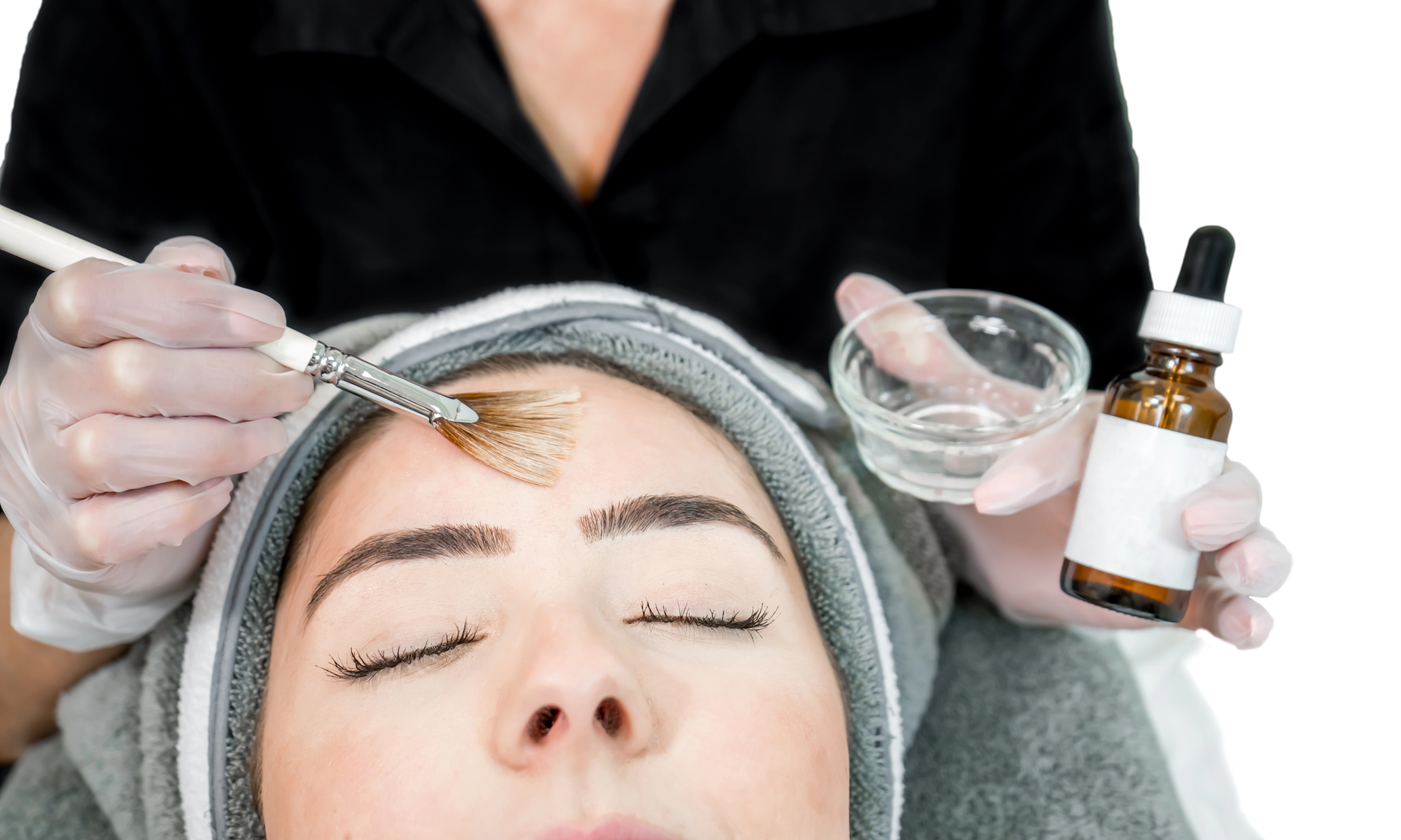
Chemical peels have been a reliable tool in clinical skincare for decades. By applying a precisely formulated acid solution to the skin, peels exfoliate damaged surface layers and trigger cell renewal, revealing smoother, more even-toned skin underneath. Available in a range of strengths from gentle maintenance peels to deeper resurfacing options, they address a wide variety of concerns including acne, sun damage, pigmentation, and early signs of aging.
This guide covers the top 10 benefits of chemical peels in 2025, the different types available, and practical tips for getting the most out of treatment.
The Role of Chemical Peels in a Skincare Protocol
Chemical peels do several things at once, which is part of what makes them so useful. By removing the outermost layer of dull or damaged skin, they brighten the complexion, smooth texture, and encourage collagen production. That process exposes healthier skin cells while gradually reducing fine lines, uneven tone, and blemishes over a series of treatments.
A typical peel begins with cleansing the skin, applying the solution for a set duration, and then neutralizing it to stop the exfoliation process. Depending on the peel's strength, mild flaking or more visible peeling may follow over several days. Because of their adaptability, peels work well alongside other treatments like microneedling, facials, or laser resurfacing, and can be customized for nearly every skin type.
Chemical Peel Trends in 2025
Chemical peel procedures have seen steady year-over-year growth, with demand up by nearly 10% since 2022 according to the American Society of Plastic Surgeons. The global market is projected to surpass $2.5 billion by 2026, driven by advances in peel formulations and broader consumer awareness of clinical skincare options.
Newer peel formulations blend exfoliating acids with hydrating or anti-inflammatory ingredients, making them suitable for a wider range of skin types, including sensitive and darker complexions that previously had fewer options. There has also been a noticeable shift toward using peels as regular maintenance rather than one-time corrective treatments, reflecting a longer-term approach to skin health that aligns with how most physicians recommend managing the skin anyway.
Top 10 Benefits of Chemical Peels
1. Smoother Skin Texture
One of the most immediate effects of a chemical peel is noticeably smoother skin. By clearing the buildup of dead cells and accelerating turnover, peels reveal a more refined surface with fewer rough patches. This is particularly useful for texture irregularities, clogged pores, or a generally uneven feel. As new cells come through, skin absorbs skincare products more effectively and makeup applies more evenly.
2. Brighter, More Radiant Complexion
Peels lift the dull, dead surface cells that make skin look flat or tired, restoring a more natural luminosity. The exfoliation process also supports circulation, which contributes to the post-peel clarity patients commonly notice. Regular treatments help sustain that brightness, particularly for patients dealing with environmental dullness from UV exposure or pollution.
3. Reduction in Fine Lines and Wrinkles
Medium and deep peels penetrate below the surface to stimulate collagen and elastin production, which naturally slow with age. This gradually softens fine lines and wrinkles around the eyes, mouth, and forehead. Combined with consistent sun protection and a solid skincare routine, the results can be both visible and durable over time.
4. Diminished Dark Spots and Pigmentation
For patients dealing with hyperpigmentation, melasma, or sun spots, chemical peels offer a practical corrective option. Glycolic acid, lactic acid, and TCA break apart pigment clusters and encourage even cell renewal. As surface layers shed, dark spots fade and overall tone appears more balanced. The Cosmelan MD peel is among the most effective protocols available for stubborn pigmentation and melasma, and is offered at Skin Matrx for patients where standard peels haven't fully resolved the concern.
5. Fewer Acne Breakouts
Light chemical peels containing salicylic or glycolic acid are a proven approach to reducing breakouts and preventing future flare-ups. They exfoliate inside pores, remove excess oil, and reduce the bacterial activity that contributes to acne. The anti-inflammatory properties of these acids also calm redness and irritation associated with active breakouts. Over time, consistent peel sessions help minimize enlarged pores and maintain a clearer surface.
6. Softer Acne Scars
Repeated peel treatments can produce meaningful improvement in the appearance of shallow acne scars. By removing damaged surface layers and stimulating collagen production, the skin gradually fills in and smooths out. Medium-depth TCA and glycolic acid peels are particularly effective for post-acne marks and textural irregularities. For deeper or more significant scarring, microneedling or CO2 laser resurfacing may be more appropriate, and peels can complement those treatments as part of a broader protocol.
7. Enhanced Product Absorption
One of the more underappreciated benefits of chemical peels is how they improve the skin's ability to absorb topical treatments. The outer layer of dead cells that accumulates between peels acts as a barrier, reducing how effectively serums and moisturizers penetrate. After a peel, the skin becomes more receptive to active ingredients like vitamin C, retinol, and hyaluronic acid. This makes post-peel skincare noticeably more effective and is part of why providers often sequence peels within a broader skincare protocol.
8. Pore Refinement
Chemical peels clear out the debris, oil, and dead cells that stretch and congest pores over time. Once that buildup is removed, the skin looks smoother and pore size appears reduced. Light and medium peels containing salicylic acid are particularly effective for oily or combination skin prone to blackheads. With consistent maintenance treatments, the overall texture stays more refined between sessions.
9. Improved Confidence in Your Skin
The visible improvements that come from a series of peels, reduced blemishes, fewer scars, more even tone, tend to have a real impact on how patients feel about their skin day to day. Many report feeling more comfortable without makeup and more consistent about maintaining their skincare habits. That kind of follow-through matters for long-term outcomes, so the confidence aspect is more than cosmetic.
10. A Treatment That Adapts Over Time
One reason chemical peels have remained a clinical standard for so long is their adaptability. The formulation, depth, and frequency can all be adjusted as your skin changes and your goals evolve. A patient who starts with mild glycolic peels for acne in their 20s may shift to TCA-based protocols for pigmentation and fine lines a decade later. That flexibility makes peels a treatment that fits into a long-term skin health strategy rather than a one-time fix.
Types of Chemical Peels and Their Benefits
Light (Superficial) Peels
Light peels use alpha hydroxy acids like glycolic or lactic acid, or beta hydroxy acids like salicylic acid, to remove the outermost layer of dead skin. They are ideal for addressing dullness, clogged pores, and minor texture issues with little to no downtime. Most patients notice an immediate improvement in smoothness and brightness. Because they are gentle and well-tolerated, light peels can be repeated every few weeks as part of an ongoing maintenance routine.
Medium Peels
Medium peels penetrate deeper into the skin using TCA or stronger acid combinations. They are more effective for treating pigmentation, fine lines, and moderate acne scars. Redness and peeling are expected for a few days post-treatment, with noticeable improvement in tone and texture once healed. Medium peels are a common choice for patients who want visible rejuvenation without the recovery commitment of a deeper peel.
Deep Peels
Deep peels use phenol or high-strength TCA to reach the lower dermis, addressing deep wrinkles, significant sun damage, and uneven pigmentation that lighter peels cannot fully correct. Recovery takes one to two weeks of visible healing, followed by continued skin renewal over several months. Results can be long-lasting and significant, but deep peels require medical supervision and are best suited for patients with lighter skin tones and advanced concerns who can commit to proper aftercare.
Who Should Consider a Chemical Peel?
Chemical peels work well for a wide range of patients. They can be adjusted for nearly every skin type and concern, making them a practical option for anyone seeking clearer, smoother skin.
For acne-prone skin, peels help by reducing excess oil, unclogging pores, and minimizing bacteria that contribute to breakouts. Light peels containing salicylic or glycolic acid also calm inflammation and fade post-acne marks over time.
Patients dealing with hyperpigmentation or melasma often see a clearer, more even tone after a series of treatments. Peels promote consistent cell turnover and help break up pigment clusters, which can be more resistant to topical creams alone.
For patients showing early signs of aging, medium-depth formulas stimulate collagen production and improve firmness and elasticity gradually. And for patients with medium to darker skin tones, modern formulations can be safely calibrated to minimize the risk of post-inflammatory hyperpigmentation when managed by an experienced provider.
How to Get the Most Out of Your Peel
Prepare Your Skin Beforehand
In the weeks before your appointment, your provider may recommend retinoids, exfoliating acids, or pigment inhibitors to prime the skin and support even exfoliation. Avoiding excessive sun exposure and harsh products before treatment reduces sensitivity and the risk of post-peel irritation. For some peels, like TCA, pre-treatment priming with hydroquinone may be recommended specifically to reduce hyperpigmentation risk.
Follow Aftercare Closely
After a peel, the skin is in an active healing phase. Keeping it moisturized, sun-protected, and away from harsh products is essential. Use gentle cleansers, fragrance-free moisturizers, and broad-spectrum SPF daily. Do not pick or peel flaking skin, as this can cause scarring or uneven results. The aftercare period is when a lot of the outcome is determined, so this step matters.
Plan for a Series
A single peel can produce noticeable improvement, but light and medium peels typically work best as part of a series. Treatments spaced every four to six weeks build cumulative results, with each session improving tone, texture, and clarity. Your provider can adjust the protocol based on how your skin responds.
Support Results with the Right Skincare
Your routine between peels plays a real role in how long results last. Vitamin C serums support brightening, hyaluronic acid addresses hydration, and daily SPF protects the new skin from UV damage that would undo much of what the peel accomplished. If you need guidance on what to use between sessions, Skin Matrx offers at-home skincare recommendations tailored to your treatment plan.
Risks and Side Effects
Chemical peels are safe when performed by a qualified provider, but it's worth understanding what is normal versus what warrants attention. Most patients experience mild redness, dryness, and flaking for several days after a light or medium peel. These are expected signs that the skin is renewing itself.
Medium peels may cause temporary swelling or sensitivity that resolves within a week. Deep peels require medical supervision and longer recovery. In some cases, medical clearance may be needed before treatment, particularly for patients with certain skin conditions, recent isotretinoin use, or relevant health history.
Selecting a provider who evaluates your specific skin type, selects the appropriate peel strength, and follows up on post-treatment healing is the most reliable way to reduce risk and optimize results. Patients with medium to darker skin tones should specifically ask how their provider manages hyperpigmentation risk for the peel being recommended.
Are Chemical Peels Worth It?
For most patients, yes. Chemical peels deliver visible, measurable improvements in texture, tone, and clarity, typically with less downtime and lower cost than more intensive procedures. Whether used to address acne, pigmentation, early aging, or general skin maintenance, they have a well-established track record and a strong safety profile when performed appropriately.
Results improve with consistency. A single peel produces a noticeable change; a series builds real, sustained improvement. For patients whose concerns go beyond what peels can address on their own, Skin Matrx can integrate peels into a broader plan that includes laser resurfacing, microneedling, or injectables as appropriate.
Why Choose Skin Matrx for Chemical Peels in Burbank?
Skin Matrx is a physician-led skin clinic in Burbank, California, founded and directed by Dr. Blanka Orloff. Chemical peel treatments at Skin Matrx are tailored to your skin type, tone, and goals, with physician oversight guiding the full protocol from pre-treatment preparation through aftercare.
The practice offers a range of peel options including mild maintenance peels, the VIPeel, TCA peels, and the Cosmelan MD protocol for hyperpigmentation.
Medical Disclaimer: This content is for informational purposes only and does not constitute medical advice. Individual results vary based on skin type, peel depth, and aftercare compliance. Consult a qualified physician or licensed aesthetic provider to determine which chemical peel treatment is appropriate for your skin condition.